
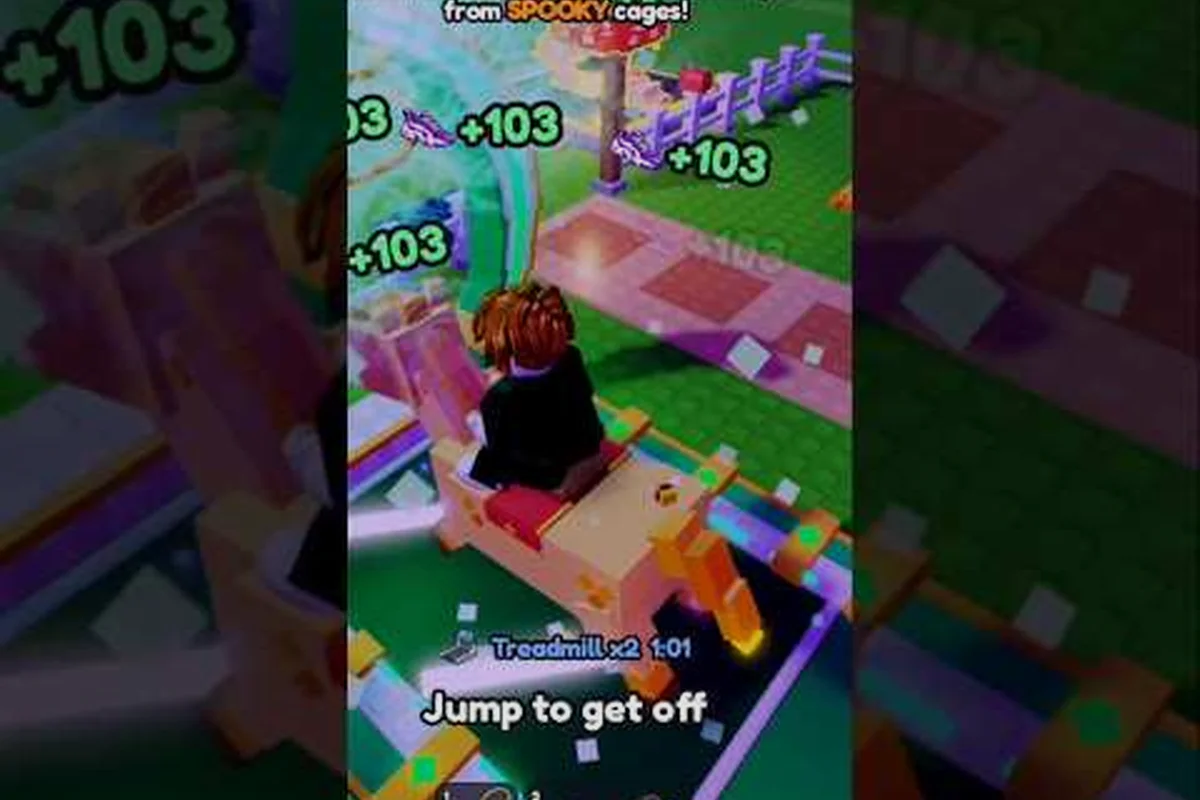
Treadmill upgrade fundamentals
The Steal A Pet And Ride It treadmill upgrade matters because Speed determines how quickly you can carry a stolen cage home, and a higher training ceiling can improve both escape runs and long-term progress. Learn which levels to buy, when to save cash, and why pet multipliers work best when combined with stronger treadmill training.
This guide focuses on the treadmill, barn capacity, pet income, and upgrade timing without guessing at unpublished values. The game’s official materials establish the core loop: steal a cage, return it to the barn, open the pet, ride it for a speed advantage, and use cash from housed pets to fund future improvements.
| Priority | Upgrade target | Main benefit | Best timing |
|---|---|---|---|
| First | Treadmill level | Raises the available training ceiling | Before chasing a speed badge |
| Second | Barn capacity | Holds more income-producing pets | After securing several strong pulls |
| Third | Better pets | Improves riding speed and cash per second | As stronger pets appear |
| Fourth | Premium convenience | Saves time on collection or opening | When Robux purchases fit your plan |
A reliable upgrade plan separates three ideas that are easy to confuse: the treadmill’s training ceiling, the amount of Speed you have trained, and the multiplier provided by the pet you ride. Understanding each layer prevents you from spending too early, stopping training too soon, or assuming one pet alone solves the progression bottleneck.
The three speed layers
The training ceiling is the limit imposed by your current treadmill. The trained Speed stat grows through treadmill training, while a ridden pet adds its own speed multiplier during a run. Research confirms that upgrading the treadmill raises the ceiling, and that the pet bonus applies on top of your Speed.
| Speed layer | What changes it | What it affects | Practical interpretation |
|---|---|---|---|
| Trained Speed | Time spent training on the treadmill | Base movement speed | Your persistent foundation |
| Treadmill ceiling | Treadmill upgrade level | Maximum Speed the treadmill can support | Your long-term progression target |
| Pet multiplier | The pet ridden during a run | Temporary speed boost | Best used for escaping or cash farming |
The practical result is straightforward: a treadmill upgrade makes the training system stronger, while a good pet makes the resulting Speed more valuable during a run. Neither replaces the other. Think of trained Speed as your engine, treadmill level as the engine’s limit, and the pet multiplier as a temporary boost.
Treadmill levels and upgrade priorities
A Steal A Pet And Ride It treadmill level should be purchased when you can still gain meaningful Speed from each training session and when your next run would be meaningfully faster. Because the game does not publish every level, cost, and cap, players should avoid treating community estimates as fixed values and observe the in-game upgrade panel instead.
Reading the upgrade panel
Before buying, compare three numbers: your current Speed, the next treadmill level, and the increase in available Speed. The best upgrade is not merely the cheapest one; it is the level that removes the closest training bottleneck without consuming cash needed for barn expansion or a stronger pet.
| Upgrade decision | Current condition | Recommended action |
|---|---|---|
| Treadmill level | Training repeatedly reaches the same ceiling | Buy the next level |
| Barn level | The barn is full of useful income pets | Expand capacity |
| Pet strength | Runs remain slow despite sufficient training | Keep pulling and compare multipliers |
| Cash reserve | One purchase would leave no emergency funds | Save for the next round |
This creates a repeatable upgrade check. First, ask whether training has stopped at the cap. Second, check whether a full barn is limiting passive earnings. Third, identify whether the current riding pet is weak enough to undermine otherwise good Speed.
Recommended upgrade order
Begin with the treadmill if your Speed repeatedly stops increasing. A capped stat makes additional training sessions wasteful, so the next treadmill upgrade can unlock progress that is already available but unreachable. Once training is flowing again, direct surplus cash toward the barn and stronger pets.
-
Raise a capped treadmill: Buy only when the next level clearly increases your ceiling.
-
Expand a full barn: Add slots when your strongest pets cannot all contribute income.
-
Target better pets: Compare ride speed and cash per second instead of collecting randomly.
-
Keep a reserve: Save for the next treadmill level or a high-value barn expansion.
-
Upgrade pet values: Place your best income pets in the barn and keep fast pets ready for runs.
For a more detailed framework on upgrade timing, the treadmill upgrade ROI analysis explains why the cheapest purchase is not always the strongest economic choice. Compare the cost of the next treadmill level with the added ride speed and treadmill multiplier, then estimate how many additional training runs are needed to cover that expense. If a level barely improves your income per second, save for a larger multiplier; if it removes a speed cap and unlocks stronger pets, buy it before spending on another barn slot.
Treadmill Upgrade: When not to upgrade
Do not buy a treadmill level merely because cash is available. If your current ceiling has plenty of room and a full barn is limiting income, barn capacity may produce a better return. Likewise, if you have a strong pet but weak training, treadmill progress remains more valuable than collecting another slow pet.
| Current bottleneck | Better first purchase | Reason |
|---|---|---|
| Speed is capped | Treadmill upgrade | Restores the value of training |
| Barn is full | Barn upgrade | Allows more pets to earn simultaneously |
| Pet runs are weak | Better pet pulls | Raises the multiplier during runs |
| No immediate bottleneck | Save cash | Preserves options for the next valuable level |
Treadmill speed and multiplier mechanics
The Steal A Pet And Ride It treadmill speed scales with trained Speed, but your maximum movement also depends on the pet you ride. This is why a high-Speed pull improves both the income earned during a run and your ability to escape with a cage before the chase catches you.
How the multiplier works
Your pet’s multiplier is additive to the Speed benefit you have trained. It does not permanently replace your Speed or permanently raise the treadmill’s ceiling. You still need to train consistently, but the right pet can turn that trained value into a stronger escape run.
| Run condition | Speed calculation | Result |
|---|---|---|
| No pet riding | Trained Speed only | Baseline movement |
| Pet with a modest multiplier | Trained Speed plus pet bonus | Faster than baseline |
| High-Speed pet and trained Speed | Trained Speed plus stronger pet bonus | Best practical run speed |
| Treadmill capped | Current Speed cannot exceed the limit | Upgrade the treadmill |
This distinction matters when planning your next escape: a powerful pet adds its multiplier to your current trained Speed for an immediate boost, whereas a treadmill upgrade raises the maximum Speed ceiling available during treadmill training. For example, a pet with a modest multiplier can improve a lower trained Speed run, but if the treadmill cap is already limiting that run, the bonus cannot compensate for the lost movement; manage both upgrades together so the pet multiplier and the treadmill’s higher ceiling support the strongest possible escape.
Matching pets to objectives
A pet’s ride multiplier and cash per second are different stats. The best riding pet maximizes movement during a steal run, while the best barn pet contributes the most passive income. Keeping those roles separate prevents a visually impressive pet from occupying a valuable income slot.
| Pet assignment | Preferred stat | Main use |
|---|---|---|
| Riding pet | Highest ride multiplier | Escaping with a stolen cage |
| Barn resident | Highest cash per second | Generating passive cash |
| Flexible pet | Balanced stats | Early game or limited slots |
| Recent pull | Unknown until evaluated | Testing before permanent placement |
The pet speed multiplier breakdown offers a useful way to compare base Speed, ride bonuses, and cash generation before you commit a pet to the barn. For a treadmill upgrade, treat the ride multiplier as the deciding stat: a pet with only a modest cash-per-second bonus can still shorten escape time if its ride bonus accelerates the steal run. Conversely, a high-cash pet may earn more while stationed in the barn, so the optimal choice depends on whether your next objective is movement or passive income.
The 1M Speed target
The public badge list provides a concrete long-term goal: the Speed Demon badge requires 1 million Speed. That requirement makes the treadmill a milestone-driven upgrade rather than an endless side system. Progress toward one million also improves normal movement throughout the progression curve.
| Goal | Relevant stat | Strategic value |
|---|---|---|
| Improve daily escape runs | Current Speed | Shortens each risky trip |
| Reach 1M Speed | Maximum Speed | Unlocks the Speed Demon badge |
| Increase run earnings | Current Speed plus pet multiplier | Improves cash during the run |
| Prepare for a stronger pull | Trained Speed and multiplier | Reduces chase risk |
Because exact treadmill upgrade costs remain unpublished, do not guess a specific number of purchases. Instead, record the displayed cost and compare it with your available cash before each treadmill level. The key figure is the next level’s maximum Speed: if that increase meaningfully accelerates training toward the 1M Speed target—and improves the treadmill multiplier used for run earnings—the upgrade is more likely to pay off. If the gain is small, bank the money for a later treadmill level or another barn upgrade until your scheduled training sessions can absorb the change.
Treadmill training routine
Effective Steal A Pet And Ride It treadmill training starts with using the device after its ceiling rises, then measuring progress by comparing Speed before and after each session. Training at a capped level wastes time; training immediately after an upgrade makes the purchase pay off quickly.
A repeatable session plan
Run a short training cycle, inspect the Speed stat, and return to a steal run. The run supplies cash and lets you test whether the new training level translates into better movement. After each successful escape, evaluate whether the pet multiplier or your base Speed is doing most of the work.
-
Record your Speed: Note the value before beginning the session.
-
Train near the ceiling: Stop when gains become negligible or the stat stops rising.
-
Test with your best rider: Use a high-multiplier pet during a steal run.
-
Compare escape time: Look for a practical improvement in chase safety.
-
Reinvest the earnings: Upgrade the treadmill, barn, or pet roster.
-
Repeat at the new ceiling: Once training is capped again, save for the next level.
| Session stage | Goal | Action |
|---|---|---|
| Early training | Raise base Speed | Complete the training cycle |
| Near cap | Identify the ceiling | Watch for no further gains |
| Post-upgrade | Confirm new power | Repeat a short test session |
| Escape run | Validate results | Compare travel and chase time |
| Reinvestment | Fund the next gain | Buy the highest-value upgrade |
Make training measurable
Players often sense that a treadmill purchase helped without knowing by how much. A simple baseline prevents guesswork. Record Speed at the start, after the main training block, and after a run with a fixed pet. Keeping the pet consistent makes the comparison more useful.
| Measurement | Best comparison method | What it reveals |
|---|---|---|
| Training gain | Same pre- and post-session speed | Whether the treadmill still produces gains |
| Ceiling increase | Speed limit before and after upgrade | Whether a new level unlocked progress |
| Ride bonus | Same pet on two Speed values | How strongly the multiplier scales |
| Run improvement | Same route and pet | Whether the upgrade has practical value |
For example, compare the same pet’s ride multiplier at two treadmill Speed values before deciding whether the next treadmill level is worth the cost: the Speed stat determines the ride bonus, while the treadmill’s Speed limit determines how far training can push that stat. If the upgrade raises the limit but leaves the pet multiplier unchanged, its value may be delayed until you train through the new cap. The speed training progression guide explains how treadmill speed, the 1M Speed milestone, and the multiplier interact, making it easier to separate an immediate ride bonus from long-term progression toward the next treadmill upgrade.
Avoid inefficient training
Training while chasing a cage is less productive because a failed run can erase the value of the session. Use lower-risk runs to test progress, and use high-speed runs when the payoff justifies the risk. Keep cash flowing so the treadmill upgrade never becomes unaffordable after a bad escape.
| Common mistake | Cost | Better habit |
|---|---|---|
| Training at a known cap | Wasted time | Upgrade first |
| Comparing different pets | Confusing results | Hold the rider constant |
| Spending every coin | No upgrade reserve | Save for the next level |
| Ignoring the barn | Lost passive income | Fill strong pet slots |
| Chasing one badge too early | Delayed upgrades | Build Speed steadily |
Barn upgrade and pet income planning
A Steal A Pet And Ride It barn upgrade expands the number of pets that can contribute cash over time. The treadmill prepares you to move faster, but the barn turns that movement into sustained income by keeping valuable pets active instead of leaving them unused.
Treadmill and barn are complementary
Think of the systems as a production loop. The treadmill raises your persistent Speed, your riding pet helps you steal efficiently, and the barn produces cash from pets you have already secured. Upgrading one part without balancing the others can create a bottleneck elsewhere.
| System | Produces | Upgrade effect | Common bottleneck |
|---|---|---|---|
| Treadmill | Trained Speed | Raises training ceiling | Capped stat |
| Riding pet | Temporary speed bonus | Better escape and run earnings | Weak multiplier |
| Barn | Cash over time | More pet income slots | Full capacity |
| Pet collection | Potential riders and residents | Better stat choices | Random pulls |
A full barn usually signals that expansion has more immediate value than another upgrade bought on impulse. Conversely, if the barn has empty slots and your treadmill is capped, prioritize training capacity so your next run is faster and safer.
Managing the barn
Keep your highest cash-per-second pets in the barn. Reserve the strongest rider for escapes when practical. When a new pull is neither, test its stats before placing it. The official game information identifies cash per second as the key income stat, while Speed has greater value for the steal run.
| Barn state | Recommended action |
|---|---|
| Several empty slots | Keep pulling pets and placing strong income units |
| One slot remains | Compare the next pull against your current resident |
| Barn is full | Consider a barn level if savings allow |
| Income is weak | Replace low-value residents before expanding |
| Ride multiplier is weak | Preserve a strong rider for active runs |
Evaluating a barn upgrade
A barn upgrade is attractive when capacity is full and expected passive income exceeds the cost of waiting. However, you should compare that return with the next treadmill level. If the treadmill caps you at a low Speed, faster movement may produce enough additional run income to justify upgrading first.
| Question | Yes | No |
|---|---|---|
| Is every useful pet slot occupied? | Barn expansion may be worthwhile | Save for a better pet |
| Do your strongest pets generate meaningful cash? | Capacity can multiply income | Improve pet quality first |
| Is Speed capped during frequent runs? | Treadmill may create more value | Prioritize barn space |
| Can you maintain a cash reserve? | Consider buying now | Delay the purchase |
Before spending Robux, compare the convenience and progression value of available gamepasses in the Robux purchase guide. Auto Collect can remove manual barn pickups, while speed-related passes affect different parts of the loop and should not be treated as replacements for a treadmill upgrade.
Practical upgrade scenarios and long-term goals
The best Steal A Pet And Ride It treadmill upgrade timing changes with your current bottleneck. A new player with a nearly empty barn may gain more from collecting pets, while an established player with capped Speed should immediately raise the training ceiling.
As demonstrated in the official gameplay video, the treadmill upgrade lets your pet run continuously so you can ride it for longer.
Scenario 1: Early-game cash is limited When your cash reserve is thin, avoid trying to buy every upgrade tier. Train until you reach the cap, keep a serviceable riding pet, and focus on placing income pets in the barn. Save for the first treadmill increase once the barn has a stable income source.
| Available cash | Best allocation |
|---|---|
| Below displayed treadmill cost | Train and collect |
| Enough for one small upgrade | Choose the active bottleneck |
| Enough for treadmill or barn | Compare capacity with current Speed |
| Enough for several levels | Preserve a reserve for strong pulls |
Scenario 2: Your Speed is capped
A capped Speed stat signals that training has done its job. Buy the next treadmill level, then return to training immediately. Test the result with the same pet used before so you can see whether the new ceiling improves your escape performance.
Scenario 3: Your barn is full
If your strongest income pets fill every slot, expand the barn before spending on convenience. For example, adding one barn level can create enough capacity to keep several high-tier income pets while reserving remaining slots for new pulls. Because each preserved pet continues contributing through treadmill training, the extra slots raise the treadmill multiplier’s potential output without requiring another treadmill speed upgrade. Treat barn capacity as infrastructure for the treadmill upgrade path: it prevents useful pets from being displaced and gives you more stable income to fund later treadmill levels.
Scenario 4: Runs still feel slow
When the treadmill is no longer capped but runs remain difficult, inspect your riding pet and separate the upgrade impact into two parts: the treadmill multiplier affects the speed value generated by each run, while pet training raises the pet’s baseline ability and can make weaker companions viable. For example, a pet with a 1.5× treadmill multiplier and a higher baseline can outperform a pet with a stronger multiplier but almost no training, so compare escape speed, run consistency, and the pet’s contribution before rebuilding the entire roster.
Scenario 5: You are approaching 1M Speed
- At the long-term milestone, continue tracking the displayed treadmill ceiling and the actual Speed stat. Save for the upgrade that produces the next meaningful increase, and prioritize multipliers that support fast runs without neglecting the barn’s passive income.
| Time horizon | Main objective | Upgrade focus |
|---|---|---|
| Early game | Establish income and escape basics | Treadmill and starter barn |
| Mid game | Remove recurring bottlenecks | Alternating treadmill and barn levels |
| Late game | Reach 1M Speed and improve run efficiency | High-value treadmill levels and strong pets |
| Endgame | Support consistent high-income runs | Balanced multipliers and barn capacity |
Frequently Asked Questions
How many treadmill levels are available in Steal A Pet And Ride It?
The complete level count and exact cost curve have not been published in the available official information, so any fixed number should be treated as a community estimate. Read the next-level cost and training limit in the game, upgrade only when it raises your ceiling, and avoid planning a budget around unverified level totals.
Does upgrading the treadmill change the speed multiplier?
A treadmill upgrade raises the ceiling for trained Speed rather than directly acting like a pet multiplier. Your ridden pet supplies the temporary multiplier, while the treadmill determines how high your persistent Speed can grow, so both systems contribute to the final movement speed.
Should I upgrade the treadmill before the barn?
Upgrade the treadmill first when your Speed is capped and training has stopped improving. Expand the barn first when it is full of useful income pets. If both are full or capped, choose the upgrade that removes the more frequent obstacle to your next steal run.
What is the best way to reach 1M Speed?
Train consistently on the treadmill, purchase a new level whenever the cap blocks progress, and use a strong riding pet for escape runs and farming. Keep enough cash coming from the barn to fund the next upgrade, because trained Speed is a permanent foundation that makes every later run faster.
Can Robux purchases replace treadmill upgrades?
Premium convenience features can reduce manual work, but they do not remove the need for trained Speed and progression toward 1M. Auto Collect improves barn income handling, while other passes serve separate purposes, so the treadmill remains the central long-term speed investment.